
Alternatives ahoy! Is treasure the next big investment opportunity?
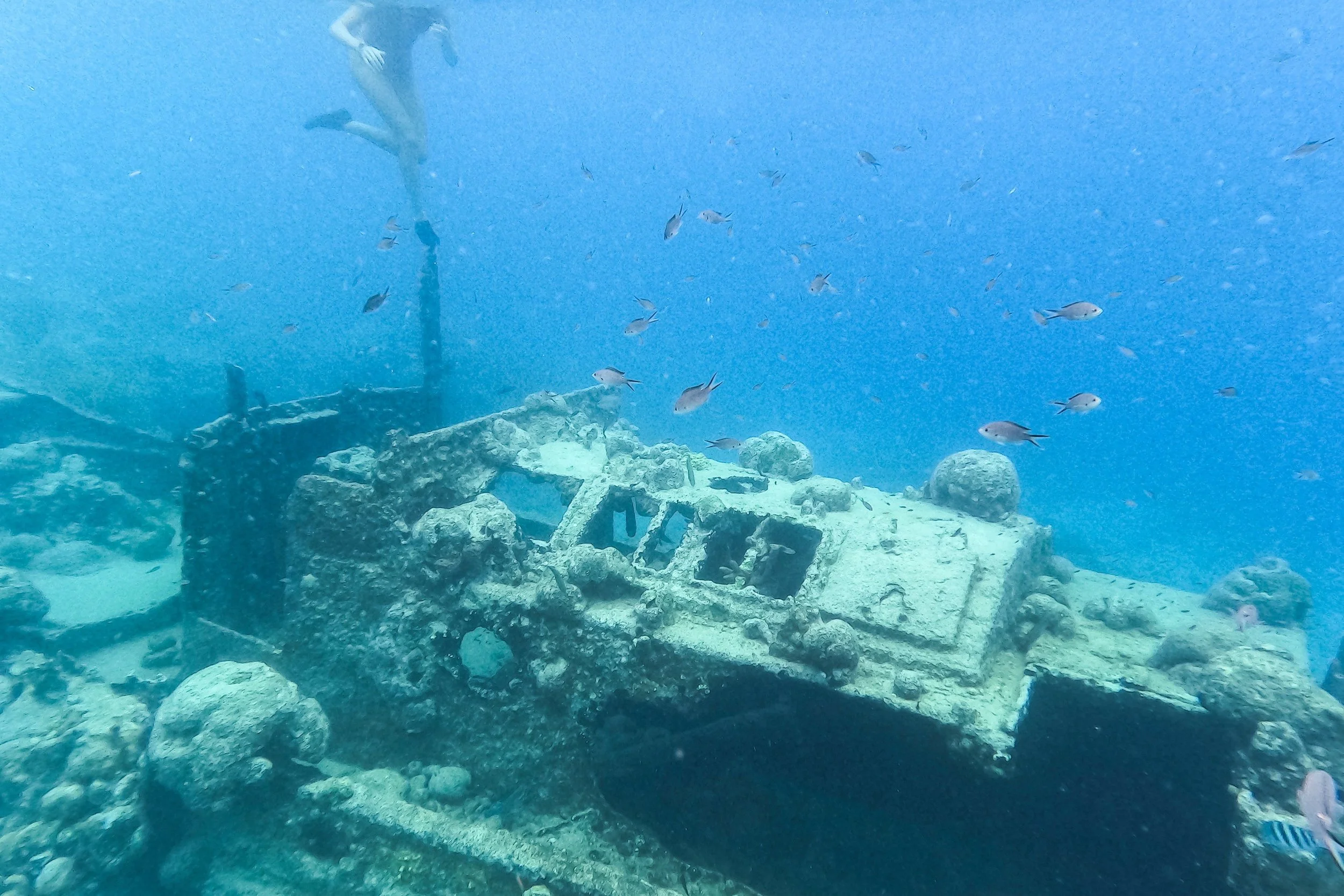
A Swiss start-up is planning to use AI and robotics to target shipwrecks which are known to contain substantial amounts of precious metals, and is working with an investment platform to offer this opportunity up to investors (AP Photo/Matias Delacroix)
Tired of investing in the landlubber’s classic private asset classes of venture capital and hedge funds? Or perhaps regular commodities investments are just too dry for you.
The good news is the ocean is full of gold and silver just waiting to be fished up.
Introducing maritime recovery (or what we might prefer to call shipwreck investing - also known as sailing the briny blue in search of treasure). A new venture has set sail which is aimed at offering private investors the chance to back an underwater treasure-hunting mission. This is certainly a deep-cut alternatives proposition.
According to Unesco, there could be three million shipwrecks in the ocean, some of them laden with long-lost cargoes. At a time when commodities are soaring - with gold prices up around 40 per cent and silver up 140 per cent year-on-year - this could start to sound like a snorkeler's El Dorado.
And new technology is making recovery projects increasingly realistic.
Oceyon is a Swiss start-up which plans to use AI and robotics to target shipwrecks which are known to contain substantial amounts of precious metals.
It has two targets scheduled for 2026 and four for 2027, with alternative investment platform Alts.co estimating a total cargo value of $436mn for the first four campaigns, suggesting a dividend pool worth $71mn for investors.
As swashbuckling as it all sounds though, the ocean floor is not in fact fair game. Right now, US-based salvage firm Sea Search Armada is involved in a years-long legal battle with the country of Colombia over the 1708 shipwreck San José, which is thought to have carried more than $20bn in treasure.
Colombia’s navy discovered the wreck in territorial waters in 2015. But SSA says it got there first, back in the 1980s. To boot the ship is Spanish in origin and contains metals mined in Peru and Bolivia through slave labour.
For all the wind-in-your-hair thrill of the adventure, similar sovereignty and salvage law considerations will inevitably affect the return potential of any successful recovery project.