
Middle East family offices in suspense as Shariah rules may change
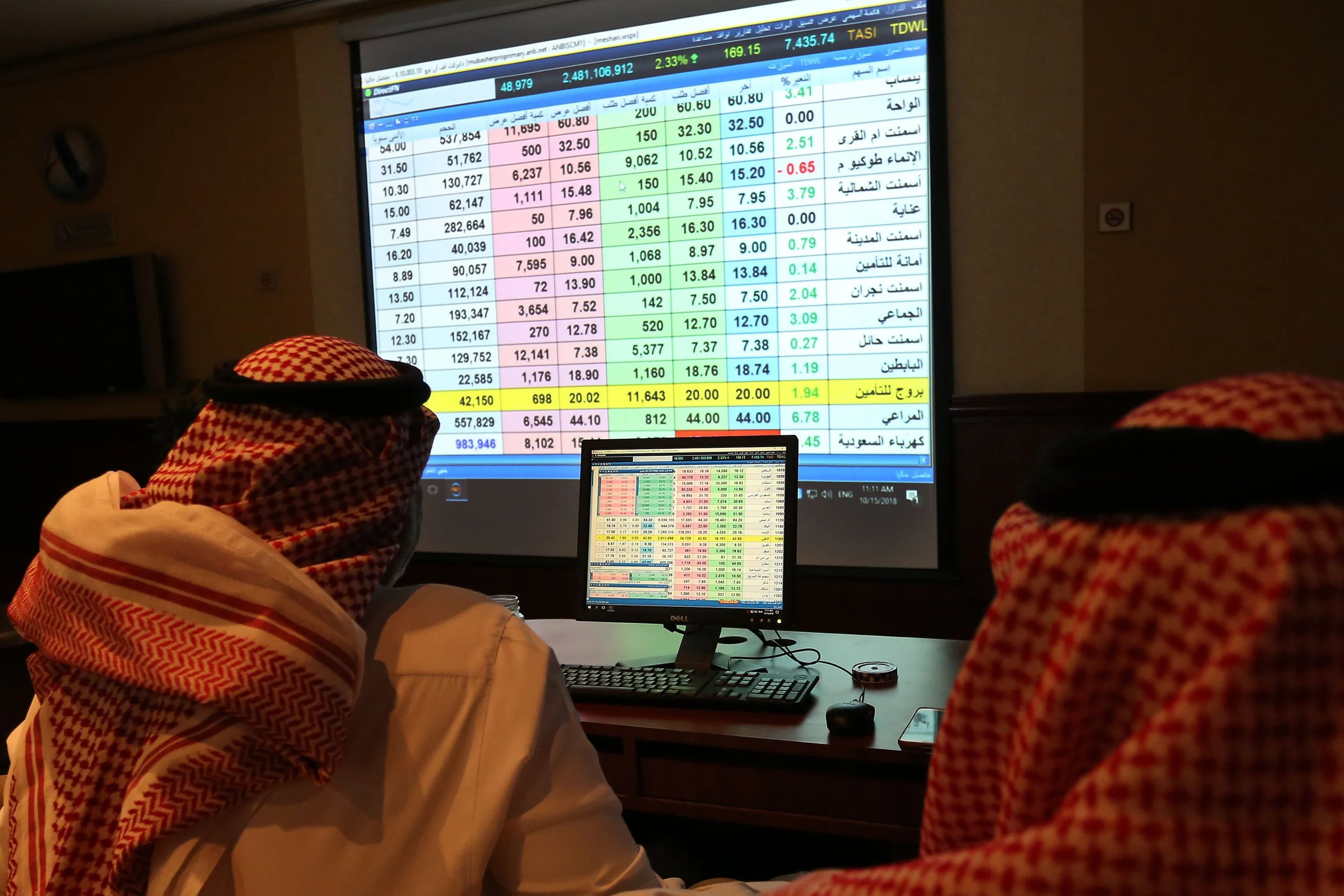
The Accounting and Auditing Organization for Islamic Financial Institutions - the body which sets and standardises global Shariah rules for financial institutions - is debating a new standard for sukuk which has put Middle Eastern family offices in a state of suspense (EPA-EFE/Ahmed Yosri)
The sukuk market has been booming in recent years. Strong demand for Shariah compliant bonds has led to sustained growth in issuances, with a 12.7 per cent global increase recorded by S&P in 2025.
But this year investors in Islamic finance are in suspense, impatiently awaiting the introduction of a new regulatory standard for sukuk.
The Accounting and Auditing Organization for Islamic Financial Institutions - the body which sets and standardises global Shariah rules for financial institutions - is debating a new standard for sukuk - known as Standard 62 - which is expected to be introduced next year.
According to a draft released last year, Standard 62 will require a legal transfer of asset ownership from issuer to investor.
At the moment ownership is generally symbolic or beneficial but the new standard will require enforceable, asset-based arrangements which means sukuk holders will have tangible rights over the underlying assets.
AAOIFI has said it does not expect to apply these rules retroactively and is planning for a transition period of up to three years, but Middle Eastern family offices are particularly attentive to updates.
According to Maximilian Kunkel, CIO for global family and institutional wealth and CEEMEA at UBS, many regional investors are keen to know what form the regulatory changes will take and how they will be implemented before making any investment decisions.
Kunkel describes the move as “a shift from asset-based sukuk structure, so effectively senior unsecured conventional bonds, to asset-backed sukuk structures, or securitisation”.
And in practice, what will it change?
For family offices, the changes are not set to affect their current sukuk holdings, Kunkel says.
But for future issuances, certain sukuk structures will need to be remodelled.
According to L&G, issuers may face increased transaction costs due to requirements such as asset registration, tax tracking and legal formalities. These costs could then be passed on to investors.
Nonetheless the impact is difficult to evaluate without disclosure of the finalised standard. Even then, the outcomes will depend on which countries and entities implement the standard and how it is incorporated into sukuk documentation.
For investors, “there's first going to be pause, reset, and then people start to think, okay, what exactly does it mean for me, and how do I act now within this new framework?” Kunkel says.