
Countries scramble to reap benefits of sovereign wealth funds
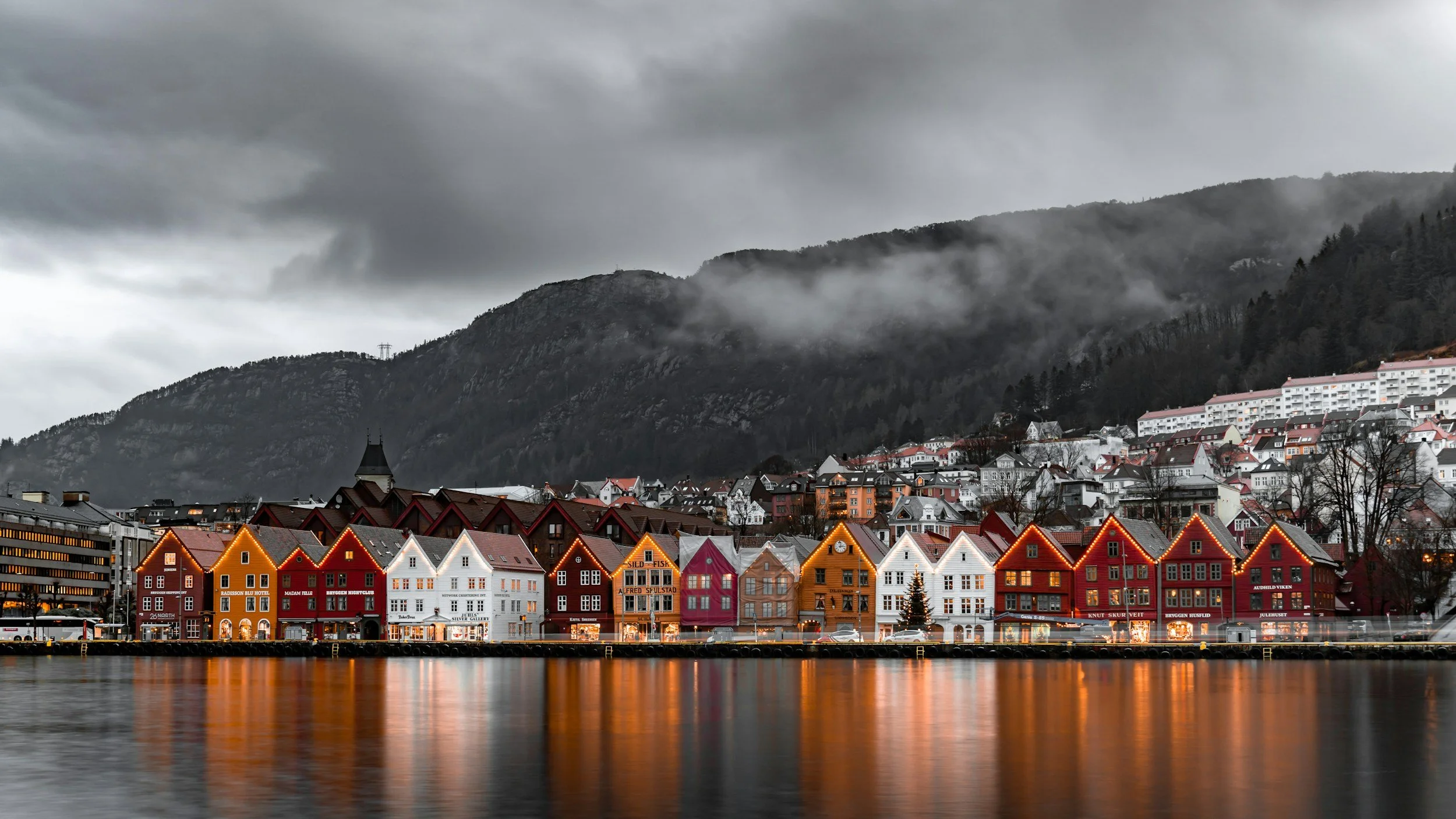
Governments are keen to replicate the success of Norway, whose sovereign wealth fund has grown to be the worlds largest (Michael Fousert/Unsplash)
Good morning. In the popular mind, sovereign wealth funds are often associated with the Middle East - or Norway.
Maybe that’s because sovereign wealth funds from the Middle East appear to make headlines more regularly by buying up Premier League football clubs or by funding the takeover of massive media conglomerates such as Warner Bros.
But increasingly, sovereign wealth funds are like opinions: everyone has one.
In the past decade or so there has been a boom in the launch of these funds.
So far this year one has already been launched and work is underway to set others up in countries such as Anguilla, Kenya, the USA and the Falkland Islands.
But not all of these funds are created equal. Salar Ghahramani, law professor at Penn State University and president of Global Policy Advisors which advises sovereign wealth funds, said countries use them as an economic tool outside of fiscal and monetary policies, either as a hedge against uncertainty in the commodities markets or to address specific future economic needs.
Why is this happening?
Anshu Vats, geopolitics adviser and former head of Oliver Wyman’s Global Public Institutions practice, said the key was macroeconomics.
He said: “The global growth rate is declining and most developed countries are starting to wonder whether their prosperity is guaranteed. One instrument is to create a wealth fund which has patient capital.
“The end goal for all of them is the same: our citizens having an improving level of prosperity.
“Will all of them survive? I don’t think so. The high quality of executive leadership is going to be key
“Attracting, keeping and retaining talent, as well as how closely political leadership and executive leadership can co-execute.”
Indeed Vats has a point. World Bank data shows global GDP growth has only exceeded 4 per cent once since 2010 - a feat it achieved six times in the decade before 2010.
Ghahramani said these funds were not just becoming more popular, they are also becoming more prominent.
He said: "Early on, they were reluctant to gather attention, so they would passively invest in stocks.
"But in the past five years, we have seen a tremendous increase in private equity style investments that inherently attract notice."
Of course another factor some might cite could be the adoption in 2008 of the Santiago Principles - a set of voluntary best practice guidelines drawn up with the help of the International Monetary Fund.
But a spokesperson for the International Forum of Sovereign Wealth Funds said: “While tighter regulation is part of the backdrop, it is not the primary cause.
“While it changed the investment landscape and increased scrutiny of cross-border capital, the main drivers of fund creation are domestic.
“These include fiscal frameworks, the need for long-term savings, and a desire to professionalise the management of state assets to build credibility at home and abroad.”
