
Wellcome Trust CIO on avoiding concentration and the risks of the growing private equity market
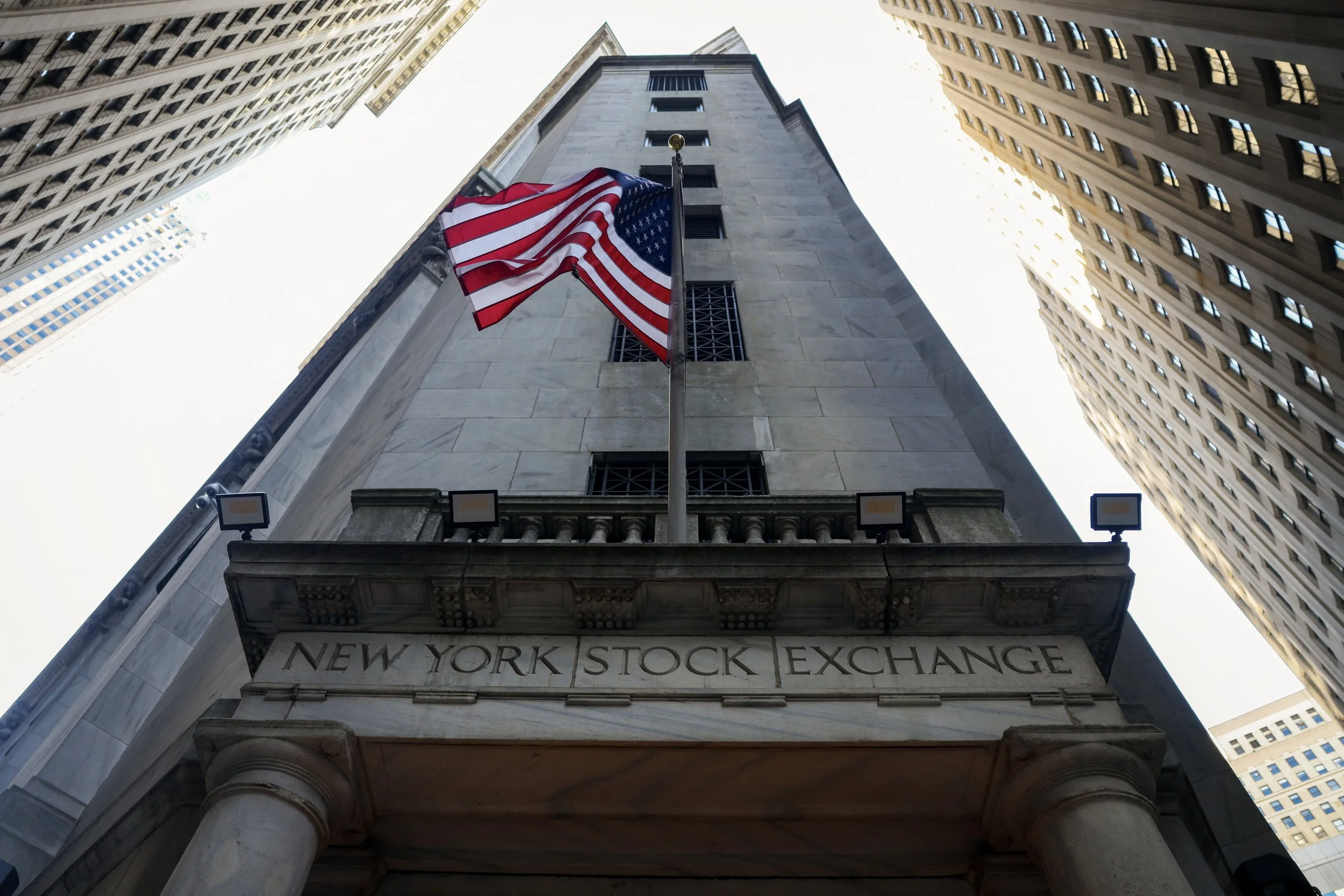
Fabian Thehos, the co-chief investment officer of the Wellcome Trust, has warned about the growing level of concentration in the US market - particularly around tech - and he explains to AOX what the trust is doing about it (Angela Weiss/AFP)
Good morning. Yesterday the Wellcome Trust - one of the largest charitable foundations in the world with an endowment of $54bn - published its annual report and we thought we’d take a look through it to see what asset owners might take from it and get some insight from co-chief investment officer Fabian Thehos.
1) At several points during the report, the Wellcome Trust highlighted the fact market concentration is at “exceptional long-term historical levels”, especially in the US. It pointed to the fact that five tech stocks accounted for more than 50 per cent of the gains in the S&P 500.
That being said, the Wellcome Trust’s equity exposure to the Americas has not gone down notably in recent years. It has fallen from 64 per cent in 2023 to 62 per cent now.
Thehos told AOX the US made up the “vast majority” of this exposure. Explaining why it had remained stable, he said: “A lot of our private equity exposure is in the US, including in venture capital.
“We believe that the US continues to be a leading source of innovation in technology, so this exposure is unlikely to shift any time soon.
“Within listed equities, most of our exposure is to global companies that might be listed in the US, but whose operations and revenue streams are globally diversified. We maintain a focus on large and mega caps, especially for our directly managed equity exposure.”
2) One of the headlines to come out of yesterday’s report was that Wellcome Trust is responding to surging equity markets, powered by the AI boom, by building a high cash allocation, which it is holding onto “in the absence of sizeable, compelling new investment opportunities”.
But the trust is no stranger to a high cash position. Its allocation to cash and bonds has bumbled around between 8 per cent and 9 per cent for some time - and in 2024 it veered towards 10 per cent. Thehos said the trust had been net sellers of listed equities for some time.
3) The Wellcome Trust’s exposure to private equity has gone up modestly in recent years: it currently sits just above 34 per cent and in 2020 it was 29 per cent.
This is largely driven by an increased exposure to buyout funds and venture funds. The trust has actually reduced the amount of direct investment to 0.3 per cent and its level of private co-investment has gone up only modestly to 5.2 per cent.
Buyout fund and venture fund exposure, meanwhile, sit at 10.2 and 18.4 per cent, respectively.
But, amid so much interest from other investors in private equity, the trust issued a warning in its report: “More recently, the tendency of larger firms in the industry to become publicly listed and focus on asset gathering – often by expanding into other asset classes and launching retail vehicles – has raised questions over alignment of interests”.
Thehos told AOX: “An influx of capital directionally means more competition for investment opportunities, and puts pressure on returns. Alignment is always key for our manager selection decisions, so we are watching these dynamics carefully. We focus on managers that demonstrate hunger to generate returns, rather than gather assets.
“Our approach to private equity has been consistent over the last few years. We are fortunate to have relationships with some of the world’s best private equity firms.
“Co-investments have performed strongly and have been additive to fund returns. We are also able to take a very long-term view which helps us to secure opportunities in private equity.”
Addressing private credit, which the trust has no exposure to, Thehos said: "We manage our portfolio as one single portfolio without a pre-conceived asset allocation. Every opportunity competes for capital within the total portfolio.
"We have assessed various opportunities in private credit, but have not found any that we felt could command a place in a competitive, unconstrained portfolio like ours."
