
Iceland is lifting its cap on foreign assets. How are its pension funds reacting?
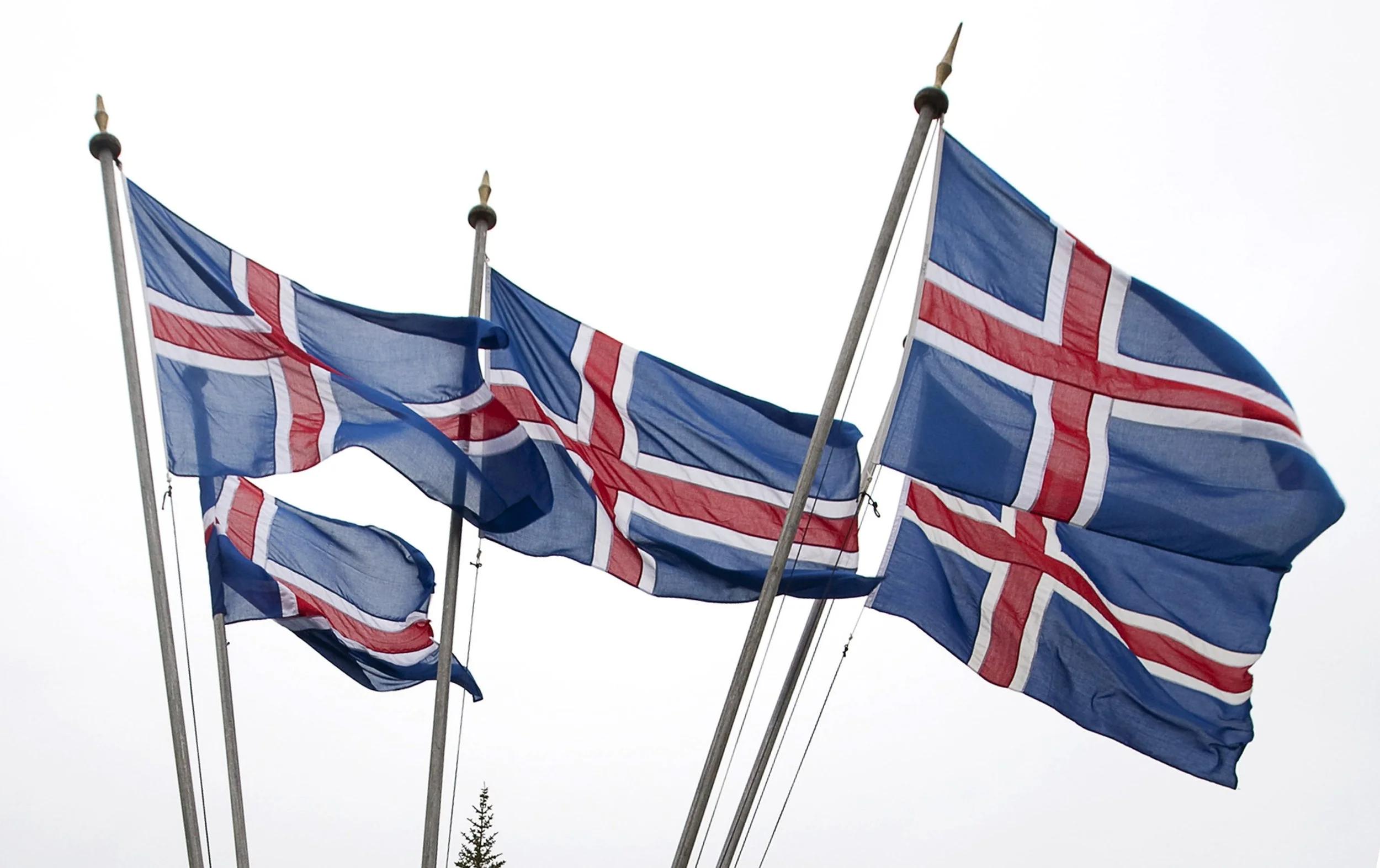
Following the 2008 Icelandic banking collapse, the country’s pension system imposed a cap on foreign assets which is now gradually being lifted. We speak to Iceland’s largest open pension fund about it (Arnaldur Halldorsson/Bloomberg)
Good morning. One of the trends within the global pension sector recently has been the growth of pensions nationalism - that is the rising number of governments that are gently encouraging (sometimes less gently) pensions to invest in their domestic economy.
This sort of thing has been going on in the UK, in Canada, in Denmark and in Australia to name a few.
So this week I thought I’d clear the air a bit by looking at a country where the opposite is happening: Iceland.
Following the 2008 Icelandic banking collapse, the country’s pension system has a cap on foreign assets which is being gradually lifted.
Before this process started, in 2024, the cap was set at 50 per cent. It is currently increasing at a rate of 1.5 per cent a year - though this rate will decrease to 1 per cent a year from 2028.
The aim is to reach 65 per cent in foreign assets by January 1, 2036.
Arne Vagn Olsen is chief investment officer at Lífeyrissjóður verzlunarmanna or LV, Iceland’s largest open pension fund with $12.7bn in assets.
He said: “The Icelandic pension system currently accounts for approximately 1.8 times GDP. For a system of this magnitude, there is a natural and necessary requirement to invest abroad.
“This is not just for risk diversification - moving away from idiosyncratic domestic shocks - but also to mitigate the pricing impact on the local markets.
“Without this ‘overflow’ into global markets, the sheer volume of pension capital would risk distorting domestic asset prices and limiting viable investment opportunities.”
As it stands LV has a 35 per cent exposure to North America, a 10 per cent exposure to the rest of Europe and a 5 per cent exposure to the rest of the world. The rest, obviously, is invested in Iceland.
Olsen said LV is currently updating its strategic asset allocation and therefore weighing up whether it will grow these regional allocations proportionately as it increases its foreign allocation, or whether it will focus the growth in certain regions.
Last year it completed its goal of moving most of its foreign securities assets from mutual funds to direct ownership through specialised portfolios.
Whether these changes mean Icelandic pension funds will be able to embrace the private markets boom, which pensions in other countries are participating in, remains to be seen: a 20 per cent cap on unlisted holdings is going to remain in place.
