
US tax proposals introduce uncertainty for sovereign wealth funds
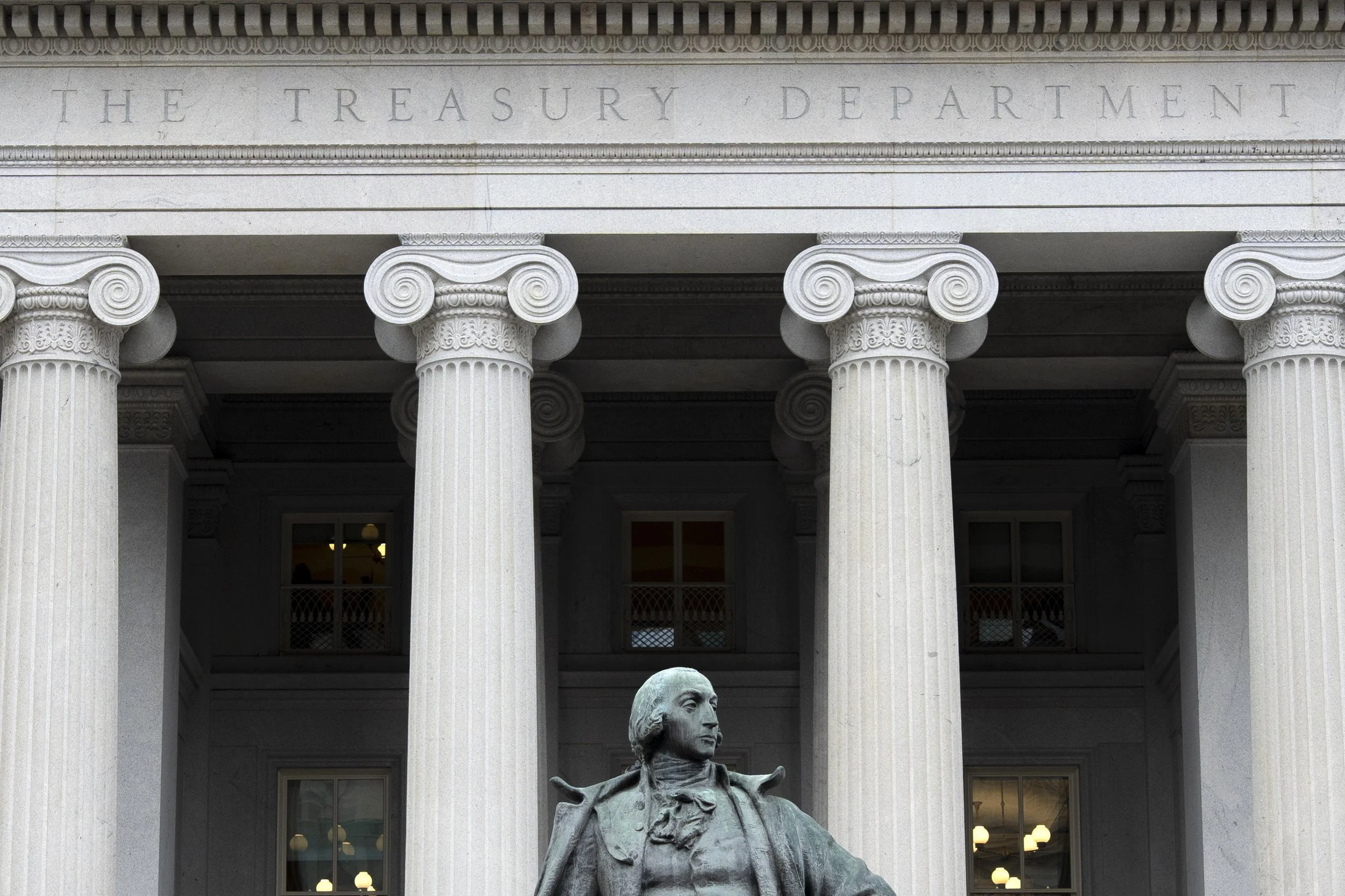
A proposed change to US tax regulations which could shake billions of dollars in investment assets held by sovereign wealth funds (AP Photo/Alex Brandon)
We at AOX like to focus on fun and exciting things; hot asset classes, interesting equity allocations, fun fixed income spreads and evergrowing alternative investments. So perhaps it’s fitting that we’re writing about tax today.
Specifically, a proposed change to US tax regulations which could shake billions of dollars in investment assets held by sovereign wealth funds.
Section 892 of the Internal Revenue Code contains exemptions for overseas sovereigns for investment income derived from US sources. But under the proposed changes commercial activities have a narrower definition.
The changes would remove the ‘loans’ asset class as tax exempt, potentially placing SWFs’ direct and private lending capabilities as commercial activities meaning the investments would not be tax exempt.
At the Future of Asset Management Conference in Dubai, AOX asked Fraz Siddiqui, chief financial officer at the Abu Dhabi Investment Council, a subsidiary of Mubadala, about the proposed changes.
Siddiqui said when he initially saw the proposed change he was “a little bit more concerned”.
But these concerns were tempered after reviewing it and he revealed Adic is taking part in a consultation process with the US government.
“Our personal read… is that it largely impacted areas where you always had degrees of tax inefficiencies relative to pure equity investments, real assets a little bit and credit”, adding that the proposal has not made the fund question how much it allocates to the US.
Siddiqui concluded: “For us it seems to be a much more definable box of areas with a much more largely immaterial impact on our overall portfolio”.
But in a response letter, Matthew Griffin, Mubadala’s head of group taxation, said: “Uncertainty regarding the scope of the exemption… could significantly impair the ability of sovereign investors (including Mubadala) to make new investments in the United States and could create adverse tax consequences for existing investments.”
Mubadala, which has $100bn in US investments, deploys these through a range of direct investments, fund investments and co-investments.
Other investors, such as the $51.9bn New Zealand Superannuation Fund, have also voiced concerns.
The NZSF’s head of tax John Payne urged the US Treasury to clarify and reconsider approaches under the proposed changes.
He also called for a specific bright-line safe harbour for minority equity stakes as well as a grandfathering period for existing investments to “avoid retroactive disruption and preserve legitimate investor expectations”.
”This would ensure that sovereign investors that entered into partnerships or other investment arrangements under the existing regulatory framework are not unfairly penalised by subsequent changes in the rules,” he said.