
What does the PIF’s withdrawal from LIV Golf say about its investment strategy?
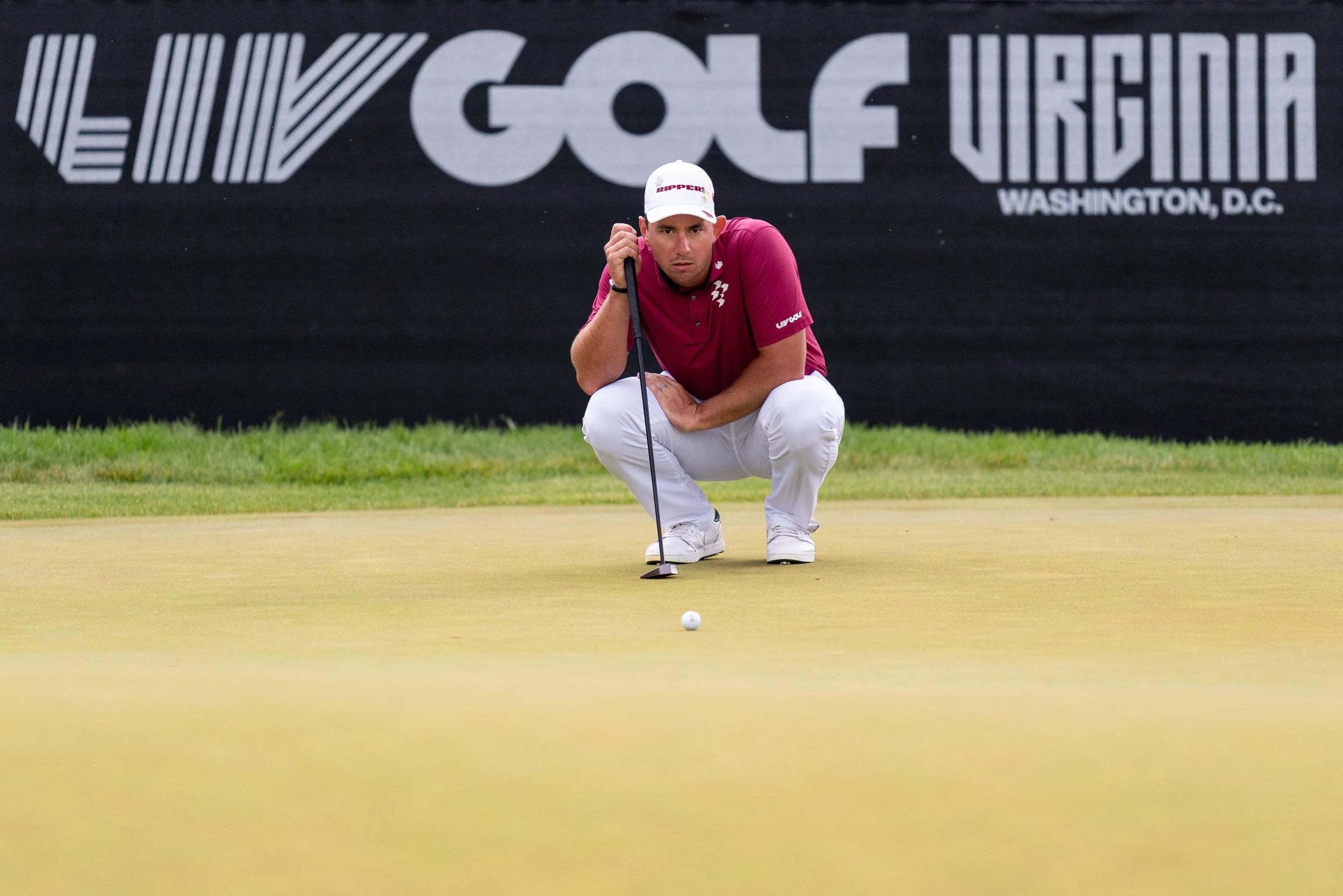
Saudi Arabia’s $925bn Public Investment Fund has spent $5bn over five years on LIV Golf but now is pulling back. What does that say about the sovereign wealth fund’s investment strategy? (Jack Power/Imagn Images)
Good morning. This week, a brief interlude from serious issues such as whether the private credit market will implode to discuss something fun: sports!
As you may have read recently, Saudi Arabia’s $925bn Public Investment Fund has withdrawn from LIV Golf, the much vaunted breakaway league it spent $5bn on over four years.
Obviously for many golf enthusiasts this raises the question of what happens next to LIV since it is lossmaking and doesn’t seem to have a sustainable business model.
I confess I am not a golf enthusiast and there are people who are better placed to discuss the golf implications.
So what does this mean in the context of Gulf sovereign wealth funds? And what read across is there to other funds in the region?
It’s obviously a, erm, turbulent time in the Middle East at the moment but that had little bearing on the decision around LIV.
Rather this is a result of long-running issues Saudi Arabia and the PIF face.
Salar Ghahramani, law professor at Penn State University and president of Global Policy Advisors, which advises sovereign wealth funds, said he wouldn’t conflate PIF’s actions with the US/Iran conflict.
He said: “The broader regional dynamics, not just the war, may have indeed impacted the timing of the withdrawal, but Saudi Arabia has been attempting to address its annual budget deficits for quite some time.
“As such, repurposing aspects of PIF, such as focusing less on expensive branding efforts such as LIV and turning the resources to actual money-making endeavors was a necessary prudent step at this juncture.”
Anshu Vats, geopolitics adviser and former head of Oliver Wyman’s Global Public Institutions practice, said the PIF faces challenges which stem from Saudi Arabia’s tight fiscal headspace to the composition of its portfolio and its inherent illiquidity.
He said: “The current war and the subsequent oil revenue reset, along with increased pressures that come with UAE’s withdrawal from Opec, will warrant a rethink of the PIF mandate and priorities.
“The process has been underway and the strategy has been slowly shifting with as little demonstration of public retraction as possible. LIV was one that they couldn’t manage without public visibility. There are more such initiatives that can be shielded from public scrutiny.”
Last month, the PIF board approved its strategy for 2026-2030, which divides its investments into three portfolios: the Vision portfolio, the Strategic portfolio and the Financial portfolio.
The first of these will focus largely on the domestic economy while the third will act essentially as a traditional asset management company.
What assets will the PIF likely favour in this new world order? Ghahramani listed them thusly:
Assets likely to meet Saudi Arabia’s economic needs and improve quality of life for its citizens (water access, for example)
Assets aligned to global trends and global needs (ie renewable energy and AI)
Assets likely to attract global partnerships through investments and joint ventures
And what read across, if any, does this have for other Gulf sovereign wealth funds? That, he said, is a question it is too early to answer.
