
British pensions feel government 'pressure' over pooling
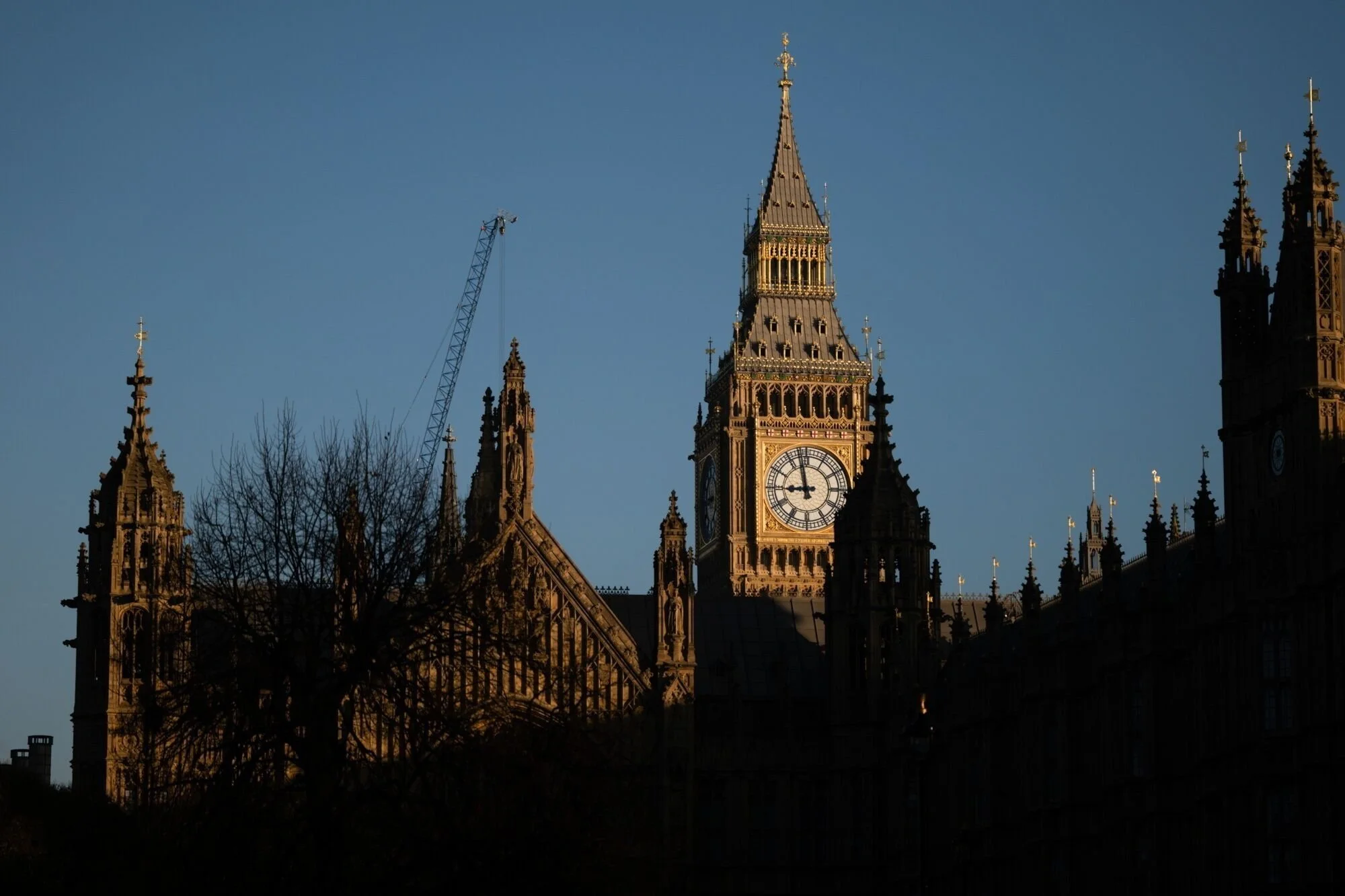
Two of Britain’s local government pension scheme funds explain why they felt ‘soft government pressure’ to join a pool which was not their first choice (Jose Sarmento Matos/Bloomberg)
As the dust settles on the British government’s decision to cut the number of Local Government Pension Scheme pools by two, more details are emerging about the options faced by the 21 orphaned funds.
To recap this messy saga: the UK government wants the 86 LGPS funds, which collectively manage more than $544bn, to consolidate into six pools on the basis that bigger funds means better returns and more investment in the British economy.
Last year two pools were scrapped as part of this process - Brunel Pension Partnership and Access - which left 21 funds representing $148bn needing a new home.
This led to some slightly strange decisions, such as Buckinghamshire (a county which is definitely not in London) joining London CIV.
But it seems one pool was not at the top of the list for these orphaned funds.
A spokesperson for one of them, who wished to remain anonymous, told AOX: “I don't think LPPI was anybody’s first choice”.
The spokesperson added “there was limited capacity to act driven by soft government pressure”.
A spokesperson from another orphaned fund said they thought their pension officers “did feel pressured” over their choice of pool but were “making the best” of the situation.
David Moreton, head of local government pension scheme investment at Barnett Waddingham, said: “Our understanding is that effectively there were three viable options for joining a new pool at the start of the process, Border to Coast, LPPI and LGPS Central.”
But after seven orphaned funds indicated a preference for Border to Coast, he said, some funds ended up having to choose between LGPS Central and LPPI.
“Anecdotally, we understand the remaining funds had a preference for LGPS Central,” Moreton said. But the government indicated it was not pleased with this outcome and nudged LGPS Central to “come up with a solution” which split the remaining 14 funds more evenly.
When this was put to LGPS Central they said: “We do not think it appropriate to comment on the discussions that took place last summer which were all undertaken on a private and confidential basis.”
The UK government initially denied such talks ever occurred but it conceded that it encouraged pools to ensure they had “sufficient capacity” to deliver on its reforms.
So while the funds did technically have a choice it seems there were not many options to begin with and the funds needed to split fairly evenly to maintain minimum standards.
Something of a Hobson’s choice then.
We asked the first orphaned fund spokesperson why LPPI was not their first choice and they cited a lack of say within their fiduciary capacity.
The second spokesperson echoed concern with LPPI’s fiduciary model stating: “We were concerned that LPPI was the government's preferred choice because LPPI would choose without our input, so they might not invest where we feel is important but where the central government feels is important.”
To be fair to LPPI, the $4bn Somerset Pension Fund said it chose the pool based on due diligence conducted collaboratively with other Brunel funds which scored LPPI the highest.
An LPPI spokesperson said: “We’re happy to be making great progress in the onboarding of our new partner funds and look forward to working closely with them and our existing partner funds to achieve their strategic goals, all while delivering efficient pension provision with the right balance of risk, return and cost.”
Moreton summed up this whole ordeal by saying: “The government hasn’t been clear on the actual rationale for the changes it’s making, and doesn’t appear to have considered the practical implications for either the funds looking to find a new home or those remaining in continuing pools.”