
Why the number of family offices based in Hong Kong has gone up by 25% in two years
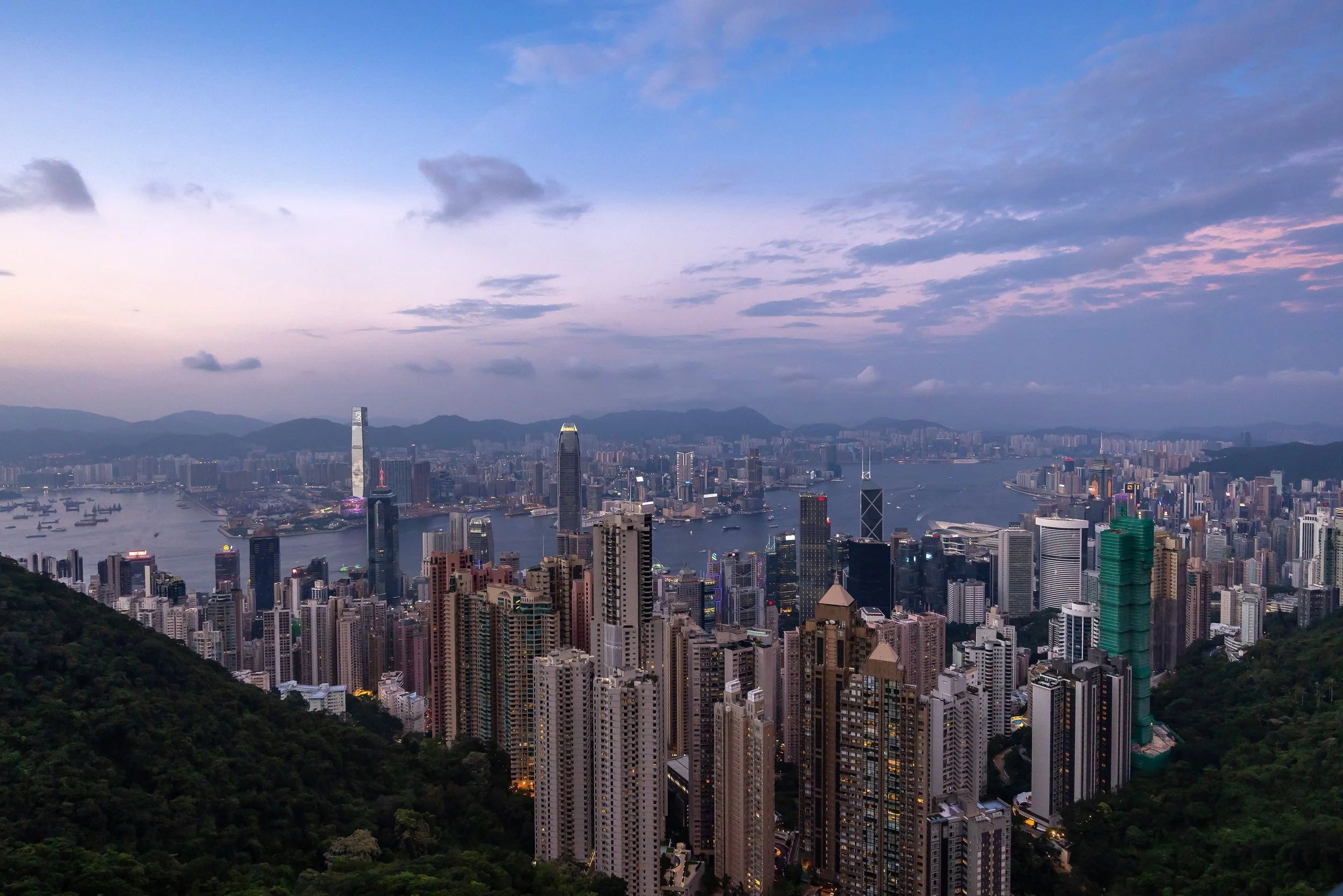
Over the past couple of years, Hong Kong has been extremely proactive at encouraging family offices to relocate to the territory and has set up a government-backed support team to enable this (Paul Yeung/Bloomberg)
Last year Hong Kong attracted 200 family offices to relocate to the territory as part of plans set out by chief executive John Lee.
The achievement may sound routine for a place long known as a freeport-style Asian financial hub but it took three years of work led by tax concessions, a unique immigration scheme and a dedicated team to help family offices set up.
The work has been led by InvestHK, Hong Kong’s department responsible for foreign direct investment.
What does Hong Kong get out of this? Well its current roster of family offices contributes $1.6bn (HK$12.6bn) annually to the economy through operating expenditures and they employ more than 10,000 full-time professionals.
To attract family offices, Hong Kong’s government has offered a 0 per cent profits tax rate for eligible family-owned investment holding vehicles managed by single-family offices. The idea is to help grow family wealth over the generations, said Jason Fong, InvestHK’s global head of family offices.
The support team, called FamilyOfficeHK, gives free, bespoke help to ultra-high-net-worth people and families for establishing or expanding their operations. The team had assisted 252 family offices as of end-March and about 160 family offices have “indicated that they are preparing or have decided to set up or expand”, Fong said.
And on the immigration side, Hong Kong’s New Capital Investment Entrant Scheme was hatched to attract high-net-worth individuals and global capital by offering residency in exchange for making a minimum investment of $3.8mn (HK$30mn) in financial assets.
The scheme had received 3,590 applications as of end-April, involving an expected investment amount of approximately $14bn (HK$108bn), Fong said.
Hong Kong had 3,384 family offices at the end of 2025, an increase of 681 over two years or 25 per cent, according to a February market study by the professional services firm Deloitte.
These relocations have mostly been from other parts of Asia.
The territory has long served as an Asian financial centre and has ample talent in the space.
“With its century-long history in family wealth management and unique strategic advantages, Hong Kong is the ideal destination for facilitating [family office] intergenerational legacy and long-term development,” Fong said.
Hong Kong and Singapore naturally attract family offices for the same reasons they draw other kinds of financial services, said Song Seng Wun, an economic adviser at Singapore-based fintech firm SDAX.
That means both places are “convenient”, “neutral” and “very safe” – with perks such as quick business registration procedures and international rule of law, Song said. Widespread use of English, including permission to file legal documents in the international language, gives both another advantage, he said.
Other parts of Asia – Japan and Taiwan, for example – will attract primarily domestic family offices because the office operators understand the sometimes intricate ways in which they work, Song added.
“If you’re looking at Singapore and Hong Kong, it’s a rivalry but friendly because more often they’re complementary,” Song added, noting that conflict in the Middle East had driven more family-office funds into East Asia this year.
Family offices indicate they like Hong Kong for its reputation as an Asian financial centre along with the relative ease of doing business.
Hefeng Family Office, which serves a couple dozen high net-worth families also has offices in Beijing, Guangzhou and Singapore to use the “institutional advantages” of different regions, CIO Stephen Pau said. But he called Hong Kong a crucial global link for asset management.
“Hong Kong serves as Hefeng’s asset management hub, where a rich industry ecosystem significantly reduces investment information costs, and its globally connected financial infrastructure makes it the most ideal location in Asia for managing worldwide investments,” Pau told AOX.
Reducing exposure to the US ranks as another reason for picking Hong Kong, according to the Deloitte study. Washington has shaken much of the world with tariff hikes and war in Iran since 2025.
The territory’s government set a new goal last year to have at least 220 more family offices set up or expand in Hong Kong between 2026 and 2028.
To help get there InvestHK has “proactively promoted” its initiatives in Indonesia, Italy and even Singapore, Fong said.